Renting vs. Buying in California | Bay Area & San Diego Homebuyer Guide
Renting vs. Buying in California
Trying to decide whether to keep renting or start thinking about buying? This guide walks through the real questions California renters should ask before making the move, including monthly cost, timeline, lifestyle, local market differences, and first-time buyer options.
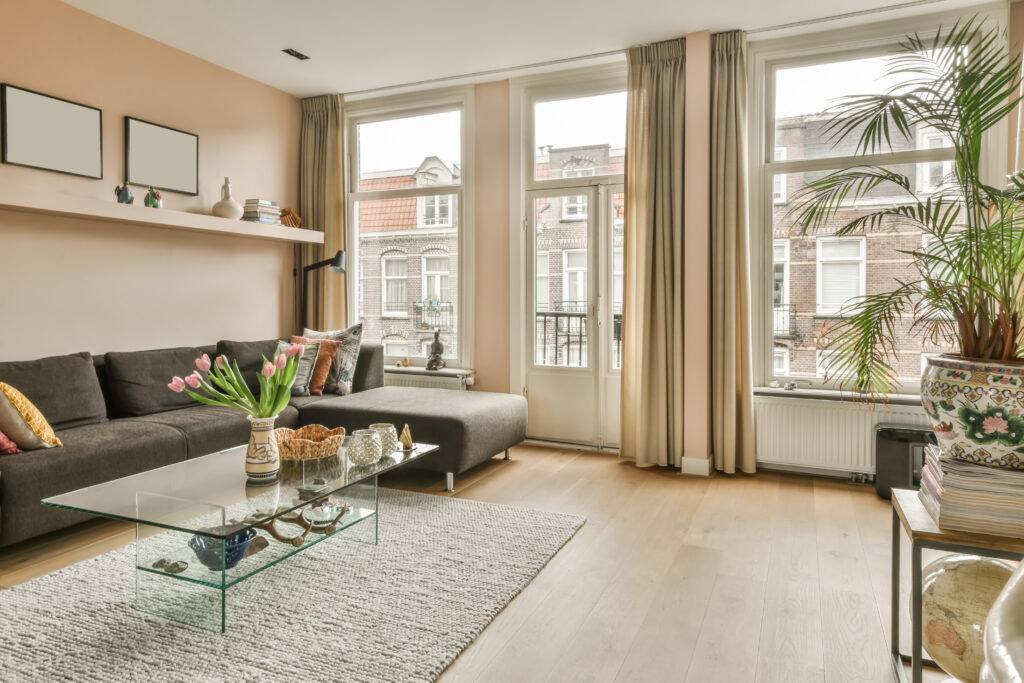
Is It Time to Keep Renting or Start Thinking About Buying?
For a lot of California renters, the question is not just, “Can I buy a home?”
It is really:
Does buying make sense for my life, my budget, my timeline, and the area I want to live in?
That answer is not the same for everyone. In places like the Bay Area and San Diego, renting can sometimes offer more flexibility, especially if your job, family needs, commute, or plans may change in the next few years.
Buying can also make sense when you are ready for more stability, want to start building long-term equity, and have a clear picture of what the full cost of ownership would look like.
The goal is not to pressure yourself into buying because someone told you “renting is throwing money away.” The goal is to understand your options clearly enough to make a confident decision.
Buying Is Not Automatically Better Than Renting
There are real benefits to homeownership, but there are also real costs.
Renting may be the better fit if you need flexibility, are not sure how long you will stay in the area, or want to avoid the responsibility of repairs, property taxes, insurance, and maintenance.
Buying may be worth exploring if you plan to stay for a while, have steady income, feel comfortable with the upfront costs, and want more control over your housing situation.
A good rent-versus-buy conversation should include more than a monthly payment comparison. It should include your timeline, your savings, your comfort level, your lifestyle, and the specific market you are considering.
A better question to ask:
Is buying the right fit for this season of my life, not just in theory, but in the actual area and price range I am considering?

The Real Monthly Cost of Owning a Home in California
One of the biggest mistakes buyers can make is comparing rent to only the mortgage payment.
With a fixed-rate mortgage, your principal and interest payment may stay the same. But that does not mean your total housing cost is frozen forever. Property taxes, insurance, HOA dues, and maintenance costs can change over time.
That does not mean buying is bad. It just means the decision deserves a full picture, not a pretty little math shortcut that leaves out the expensive parts.
The full cost of owning a home may include:
- Principal and interest
- Property taxes
- Homeowners insurance
- Mortgage insurance, if applicable
- HOA dues, if the property has an HOA
- Utilities
- Maintenance and repairs
- Possible supplemental property taxes after purchase
- Additional insurance, depending on the property and location
Do You Need 20% Down to Buy a Home?
No, not always.
Many buyers are surprised to learn that 20% down is not a universal requirement. Some loan programs allow qualified buyers to purchase with a lower down payment, and there may be assistance programs available depending on your income, location, loan type, and eligibility.
That said, putting less than 20% down can affect your monthly payment. It may mean mortgage insurance, a higher loan amount, or different qualification requirements.
So the better question is not, “Do I need 20% down?”
The better question is:
What down payment option fits my budget, my monthly comfort level, and my long-term plan?
How Long Should You Plan to Stay?
Your timeline matters.
If you think you may move in the next couple of years, renting may give you more flexibility. Selling a home comes with transaction costs, time, and market risk. Buying usually makes more sense when you have enough time to absorb those costs and settle into the home.
That does not mean you need to know your entire five-year life plan with perfect certainty. Real life does not work like a spreadsheet wearing sensible shoes.
A good home purchase should fit both your current life and your reasonable next chapter.
Questions to Think Through
- Do I plan to stay in this area for the next few years?
- Is my job or commute likely to change?
- Could my household size or lifestyle needs change soon?
- Would I be comfortable owning this property if my plans shifted?
- Would this home still work if I needed to keep it longer than expected?
Rent vs. Buy Depends on the Local Market
A rent-versus-buy decision in California is rarely one-size-fits-all.
The Bay Area and San Diego have different price points, rental patterns, commute options, property types, and lifestyle tradeoffs. Even within the same region, one city can look very different from the next.
That is why it is important to compare realistic options, not just broad ideas. A good decision looks at the actual home type, neighborhood, monthly cost, commute, timeline, and long-term fit.
Rent vs. Buy in the Bay Area
The Bay Area is not one single market.
Hayward, Fremont, and Castro Valley can feel very different from each other when you start comparing home prices, rents, commute patterns, property types, and neighborhood-level options.
That is why citywide numbers can be helpful, but they are not enough by themselves.
This is where local guidance matters. The decision is not just “rent or buy in the Bay Area.”
It is:
Rent or buy what type of home, in which area, with what commute, and for how long?
Hayward: A Practical Place to Start the Conversation
Hayward can be an important market for renters who are starting to explore ownership in the East Bay.
For some buyers, Hayward may offer a more approachable entry point compared with higher-priced nearby cities. But that still does not mean buying is automatically easy or inexpensive.
A thoughtful comparison should look at the specific property type and location, not just the city name.
Fremont: A Market Where Details Matter
Fremont is a great example of why citywide averages can be misleading.
Different parts of Fremont can have very different price points, commute patterns, housing types, and school-assignment considerations.
A buyer looking near one BART station or commuter route may face a different set of options than a buyer looking in another part of the city. Fremont may be a strong fit for some buyers, but it often requires a more detailed strategy.
Castro Valley: Lifestyle, Commute, and Housing Type
Castro Valley often comes up for buyers who want an East Bay location with access to BART and a more residential feel.
But like the rest of the Bay Area, it still requires careful budgeting. Buyers should look beyond the listing price and consider the full monthly cost, commute pattern, home condition, lot size, insurance considerations, and long-term maintenance.
The right answer depends on the actual numbers and the kind of life you are trying to build.
Bay Area Checklist
- Property type
- BART or commute access
- Monthly payment comfort
- Long-term plans
- Possible local assistance programs
- Renting near work vs. buying farther out
- Condo or townhome vs. single-family home
- Different ZIP codes or neighborhoods
- BART, ACE, or Amtrak options
- Monthly comfort vs. long-term stability
Rent vs. Buy in San Diego
San Diego Has Its Own Rent-versus-Buy Story
A renter in San Diego may be comparing very different options depending on whether they are looking at a condo, townhome, single-family home, coastal area, inland neighborhood, or military-connected community.
The monthly cost of owning can feel higher than rent in many cases. But some buyers still choose to purchase because they want more stability, more control over their living situation, or a long-term place to call home.
The key is to compare realistic options.
Not “renting in San Diego” versus “buying in San Diego” as broad ideas.
But:
This rental, in this area, compared to this type of property, with this payment, for this timeline.
Tierrasanta: Why Neighborhood Context Matters
Tierrasanta is a good example of why local context matters.
This area has its own housing-stock story, access patterns, open-space considerations, and military-connected housing context. A rent-versus-buy decision here may look different than a general San Diego comparison.
For some buyers, Tierrasanta may appeal because of location, lifestyle, commute routes, or the type of homes available. For others, the numbers may point toward renting a little longer or widening the search.
- Renting near work vs. buying farther out
- Condo or townhome vs. single-family home
- Different ZIP codes or neighborhoods
- BART, ACE, or Amtrak options
- Monthly comfort vs. long-term stability
First-Time Buyer Help and Assistance Programs
There may be programs available for eligible first-time buyers in Alameda County, Hayward, Fremont, San Diego, and through statewide resources.
These programs can change, pause, run out of funds, or have specific qualification rules. That is why it is important not to build your entire plan around a program until the current details have been verified.
Some programs may help with down payment or closing costs. Others may have income limits, location requirements, shared-appreciation structures, or other conditions.
If you are exploring assistance, the best next step is to review what is currently available, then talk through how the program would affect your offer strategy, monthly payment, and long-term plans.
School Boundaries Should Always Be Verified
If schools are part of your decision, it is important to verify the school assignment for a specific address.
General maps, online summaries, and third-party websites can be helpful starting points, but they should not be treated as final. Attendance boundaries can change, and school assignment rules may vary by district.
Before making a decision based on a school, confirm the address directly through the school district’s official tools or office.
This is especially important in areas like Hayward, Fremont, and San Diego, where address-level details can matter.
Helpful reminder:
Do not rely only on listing descriptions or third-party school websites. Always confirm school assignment directly with the school district before making a decision based on a specific address.
A Better Way to Make the Decision
A good rent-versus-buy decision should not feel like someone shoved you into a calculator and told you to smile.
It should feel clear, grounded, and personal.
Here is the framework I like to use:
1. Start with your timeline
If you may move soon, renting may be the better fit. If you plan to stay for several years, buying may be worth exploring.
2. Compare the real monthly cost
Look beyond the mortgage payment. Include taxes, insurance, HOA dues, utilities, maintenance, and possible mortgage insurance.
3. Look at your upfront cash
Consider down payment, closing costs, reserves, moving costs, and any repairs or upgrades you may need after closing.
4. Compare real properties
Do not compare a rental apartment to a dream single-family home unless that is truly the decision in front of you. Compare realistic options.
5. Think about lifestyle
Commute, space, pets, schools, work-from-home needs, storage, parking, and neighborhood feel all matter.
6. Check local programs carefully
Assistance programs can be helpful, but they need to be verified before you rely on them.
Decide based on fit, not pressure
Buying can be a strong move when the numbers and timing work. Renting can also be a smart choice when flexibility matters more.
When Buying May Make Sense and When Renting May Still Make Sense
When Buying May Make Sense
Buying may be worth considering if:
- You plan to stay in the area for a while
- You have steady income
- You have enough saved for upfront costs and reserves
- You are comfortable with the full monthly payment
- You want more stability and control over your housing
- You understand the maintenance responsibilities
- You have compared realistic properties in your target area
Homeownership is not just a financial decision. It is also a lifestyle decision. The best fit is the one you can live with comfortably, not just the one that looks best on paper.
When Renting May Still Make Sense
Renting may be the better choice if:
- You may move within the next few years
- Your income or job situation is changing
- You are still building savings
- You do not want to handle repairs or maintenance
- You are unsure which area you want long-term
- The homes you can comfortably afford do not fit your needs yet
There is nothing wrong with renting while you prepare. Sometimes the smartest move is giving yourself more time, more clarity, and more options.
My Role in the Process
My job is not to tell you that buying is always better.
My job is to help you understand the decision clearly.
That means looking at the numbers, the location, the property type, your timeline, and the parts of homeownership that are easy to overlook. It also means being honest when renting may still be the more practical choice for now.
Whether you are comparing options in Hayward, Fremont, Castro Valley, San Diego, or Tierrasanta, the goal is the same:
Make the decision with clarity instead of pressure.
Frequently Asked Questions
Not Sure Whether Renting or Buying Makes More Sense?
You do not have to figure it out from a calculator alone. If you are comparing renting and buying in the Bay Area or San Diego, we can look at your timeline, budget, lifestyle, and local options together so you can make a clearer decision.