California Seller Prep Guide
Preparing Your Home to Sell in California
Selling your home is not just about making it look nice for photos.
In California, preparing to sell also means understanding what buyers may notice, what they may verify, and what questions may come up once your home is on the market.
A good preparation plan should help your home feel clear, cared for, and easier for buyers to understand.
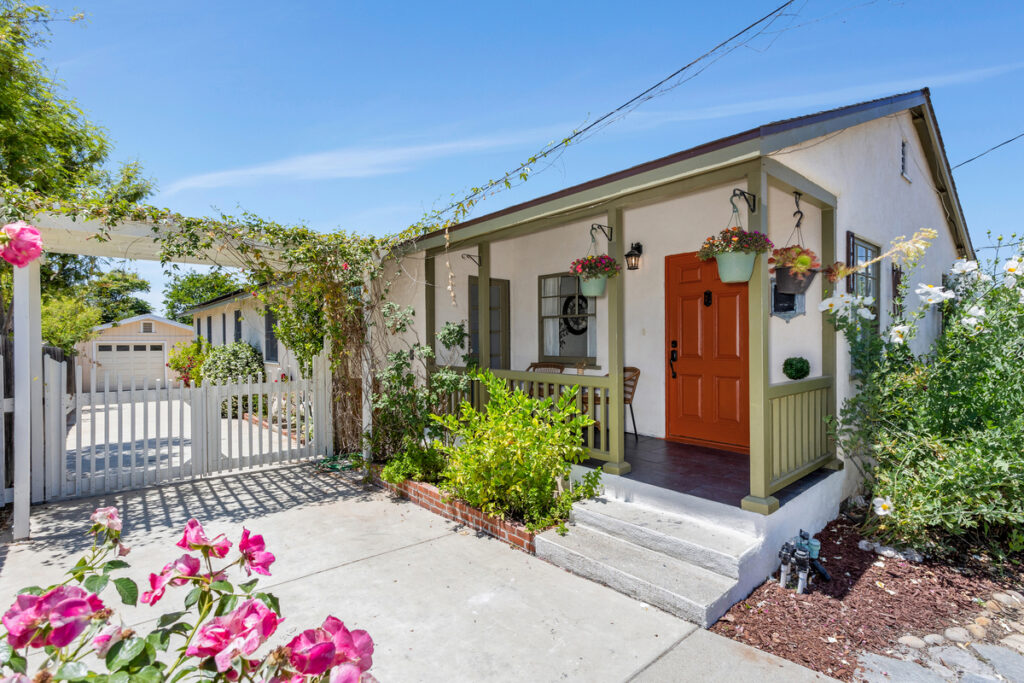
A Thoughtful Way to Prepare Before You List
My goal is to help you prepare thoughtfully, not overwhelm you with a giant list of “must-do” projects.
Not every seller needs to remodel. Not every repair is worth the cost. And not every home needs the same strategy.
The right plan depends on your home, your timeline, your local market, and what buyers are likely to care about once they start looking more closely.
Preparing to Sell Is More Than Curb Appeal
When most people think about getting a home ready to sell, they picture fresh paint, clean counters, pretty staging, and maybe a few flowers by the front door.
Those things can help.
But in California, seller preparation goes deeper than appearance.
The goal is not to make the home look perfect. The goal is to help buyers feel informed enough to make a confident decision.
That starts before the listing goes live.
Buyers May Be Looking At:
- How well the home has been maintained
- Visible repairs or older systems
- Past improvements and permit history
- Natural hazard or fire-zone considerations
- School district or school assignment process
- Commute access, transit, and everyday convenience
- HOA dues, special assessments, or property-specific details
The Three-Part Prep Framework
When I walk through a home with a seller, I like to separate preparation into three simple categories: what to repair, what to refresh, and what to disclose or document.
What to Repair
These are the items that may affect buyer confidence, inspection results, financing, safety, or negotiation.
This may include active leaks, roof concerns, plumbing issues, electrical or safety concerns, HVAC problems, drainage issues, broken windows or doors, pest or wood-damage concerns, trip hazards, or items that may raise insurability questions.
Not every issue needs to be fully repaired before listing, but it should be discussed. Sometimes the best strategy is to repair it. Sometimes it may make more sense to disclose it and price accordingly.
What to Refresh
These are the visible improvements that help the home show better without turning into a full remodel.
This might include touch-up paint, deep cleaning, decluttering, landscaping cleanup, window cleaning, replacing burned-out bulbs, minor handyman fixes, fresh caulking, cabinet touch-ups, simple hardware updates, or neutralizing overly personal spaces.
These updates are not about hiding problems. They are about helping the home feel cared for, calm, and easy to experience.
What to Disclose or Document
This is one of the most important parts of preparing to sell in California.
Buyers may ask about repairs, remodels, additions, permit history, roof work, HVAC servicing, plumbing or electrical updates, pest work, drainage, natural hazards, HOA information, special taxes or assessments, and known defects or material conditions.
If you have invoices, permits, warranties, contractor information, service records, or old reports, it can be helpful to gather them early.
Should You Remodel Before Selling?
Usually, the better question is not, “Should I remodel?”
It is, “Which improvements would actually help this specific home sell with more confidence?”
Some homes benefit from strategic updates. Others do not need major work. And in many cases, full remodeling right before selling can lead to overspending, delays, or design choices that may not match what buyers want.
A good prep plan is not about doing everything.
It is about doing the right things in the right order.
Before Making Big Changes, Consider:
- The home’s current condition
- The likely buyer pool
- The local competition
- The price range
- The age of major systems
- The neighborhood and property type
- The cost and timeline of improvements
- Whether the work would need permits
- Whether the improvement is likely to affect buyer confidence
Can You Sell a Home As-Is in California?
Yes, selling as-is is possible in California, but it is often misunderstood.
“As-is” does not mean buyers cannot inspect the property. It also does not mean sellers can skip required disclosures.
In simple terms, selling as-is usually means the seller is not agreeing upfront to make repairs or guarantee the condition of the home. But buyers can still investigate, review disclosures, request inspections, and decide whether the home works for them.
That is why as-is should be treated as a pricing and negotiation strategy, not a shortcut around transparency.
If a home has known issues, the safer and more trust-building approach is usually to disclose clearly and decide how those issues should factor into the listing strategy.
Seller takeaway: As-is can be a valid strategy, but it should still be clear, honest, and disclosure-aware.
Should You Get a Pre-Listing Inspection?
A pre-listing inspection is not required for every seller.
But in some situations, it can be helpful.
It may not be necessary in every situation, especially if the home is newer, well-documented, or if another strategy makes more sense.
The value of a pre-listing inspection is not that it makes the home perfect. It helps you understand the home before buyers do.
A Pre-Listing Inspection May Help If:
- The home is older
- There have been past repairs or remodels
- You are unsure about the condition of major systems
- You want to reduce surprises during escrow
- You are deciding whether to repair or disclose certain items
- The home has visible issues buyers are likely to question
- You want a clearer picture before choosing a pricing strategy
Permits, Paperwork, and Past Improvements
Permit history matters more than many sellers expect.
Buyers may ask whether additions, remodels, garage conversions, ADUs, structural changes, electrical work, plumbing work, or other improvements were permitted.
Cities and counties often have online tools where buyers can research public permit records. That means sellers should try to understand their own property history before listing.
If work was completed years ago and you do not have the paperwork, that does not automatically mean there is a disaster hiding under the floorboards. But it does mean the topic should be handled carefully and honestly.
The earlier we understand the records, the better we can prepare for buyer questions.
Helpful Documents to Gather
- Building permits
- Finaled permit records
- Contractor invoices
- Plans or drawings, if available
- Roof receipts
- HVAC service records
- Water heater installation records
- Pest reports or completion certificates
- Solar documentation
- Warranty information
- HOA documents, if applicable
California Disclosures Matter
California sellers are expected to provide disclosures about known property conditions and other required information.
This can include physical condition, repairs, defects, natural hazards, special taxes, assessments, HOA information, agency relationships, and other property-specific details.
This is one reason I like to start the preparation process early.
The goal is not to scare anyone. The goal is to avoid last-minute scrambling when the house is already on the market and buyers are asking questions.
Depending on the Property, Sellers May Need to Think About:
- Fire hazard zone disclosures
- Defensible space or vegetation-management documentation, where applicable
- Earthquake-related disclosures for certain older homes
- HOA documents
- Mello-Roos or special assessment information
- Past remodeling or contractor work
- Permit records
- Natural hazard disclosures
What Buyers Can Verify
Today’s buyers have access to more information than ever.
That is why seller marketing should be careful, factual, and grounded.
Instead of making broad claims, it is usually better to point buyers toward verifiable features and encourage them to do their own due diligence.
For example, rather than saying a property is assigned to a specific school without verification, we can explain that buyers should confirm school assignment directly with the district.
That protects everyone and keeps the marketing accurate.
- Permit history
- School district tools
- School assignment or school choice information
- Transit access
- Commute routes
- Public records
- Hazard maps
- HOA information
- Local property details
- Nearby services, parks, shops, or transportation
Preparing a Home in the Bay Area
In Hayward, Castro Valley, and Fremont, many sellers are preparing for buyers who may move quickly but still do detailed research.
That means presentation matters, but documentation matters too.
Hayward Seller Prep
For Hayward sellers, preparation often benefits from a “speed with proof” approach.
Buyers may care about commute options, BART access, school boundary information, permit history, and the condition of the home itself.
A strong prep plan may include cleaning up visible maintenance items, gathering permit and repair records, preparing disclosures early, highlighting verifiable location features, making the home easy to understand quickly, and avoiding over-improvements that may not fit the likely buyer pool.
A polished home can get attention. A prepared home can help reduce friction.
Castro Valley Seller Prep
Castro Valley buyers may pay close attention to school-related information, resident-school verification, property condition, and records for past improvements.
For sellers, that means it can be helpful to prepare documentation before questions come up.
A thoughtful prep plan may include reviewing past additions or alterations, gathering available permit records, preparing clear disclosures, keeping school-related language factual and verification-based, addressing visible repairs before photos and showings, and making the home feel clean, functional, and well cared for.
In a market where buyers may be detail-oriented, clarity can be a quiet advantage.
Fremont Seller Prep
Fremont buyers are often comparing homes at a higher price point, with close attention to function, finishes, commute access, and overall documentation.
That does not always mean a seller should “upgrade everything.”
It means the home should be presented with intention.
A strong Fremont prep strategy may include addressing obvious deferred maintenance, improving visual clarity for photos and showings, reviewing permit records for prior work, gathering system maintenance records, making sure the home feels clean, functional, and easy to compare, and being factual about location, transit, and school resources.
When buyers are comparing several options, the home that feels better organized can stand out in a very practical way.
Preparing a Home in San Diego and Tierrasanta
In San Diego and Tierrasanta, preparation may need to give more attention to full presentation, outdoor areas, yard usability, drainage, and property-specific documentation.
The selling timeline may feel different from some faster East Bay markets, so it is especially important to prepare the home for both online attention and in-person comparison.
Tierrasanta Seller Prep
Tierrasanta has a unique physical setting, with canyon systems, open-space influence, and proximity to outdoor areas.
For sellers, that means preparation should not stop at the front door.
A thoughtful Tierrasanta prep plan may include cleaning up landscaping, reviewing drainage or slope-related concerns, preparing exterior areas for photos and showings, keeping vegetation and defensible-space considerations in mind where applicable, gathering documentation for past work, using factual, careful language about nearby parks, trails, and school processes, and making outdoor areas feel maintained and usable.
In a setting where the land and surroundings matter, exterior preparation can carry real weight.
San Diego Seller Prep
For San Diego sellers, buyer comparison shopping can be a major part of the process.
A home may need to compete not only on price, but also on condition, presentation, neighborhood fit, and documentation.
A strong prep plan may include improving curb appeal without overdoing it, preparing the home for a longer showing cycle, reviewing city permit records where relevant, gathering repair and maintenance documentation, making the interior feel clean, bright, and easy to move through, preparing clear disclosures early, and highlighting property features in a factual, grounded way.
Good preparation helps the home tell a cleaner story.
Staging and Presentation
Staging does not have to mean turning your home into a furniture showroom.
At its best, staging helps buyers understand the space.
That might mean showing how a room can be used, creating better flow, removing visual distractions, helping rooms photograph clearly, making smaller spaces feel more functional, softening empty or awkward areas, and helping buyers imagine daily life in the home.
Sometimes full staging makes sense. Sometimes partial staging, rearranging furniture, or simple styling is enough.
The right choice depends on the home, the market, the budget, and the likely buyer.

Showing Readiness
Once the home is listed, the goal is to make each showing feel easy, calm, and consistent.
Buyers are not just looking at the home. They are trying to imagine what it would feel like to live there.
The fewer distractions, the easier that becomes.
- Deep clean the home
- Clear counters
- Open blinds or curtains
- Replace burned-out light bulbs
- Remove excess personal items
- Secure valuables and medications
- Tidy closets and storage areas
- Clean windows and mirrors
- Freshen landscaping
- Put away pet items when possible
- Make entryways feel clear and welcoming
- Keep disclosures and property information organized
A Smarter Way to Prepare
The best seller-prep strategy is not a generic checklist.
It is a property-specific plan.
A long-held family home may need a different approach than a recently remodeled condo. A home near BART may need different marketing emphasis than a canyon-adjacent property in Tierrasanta. A home with older systems may need a different disclosure and inspection strategy than a newer home with clean records.
That is where thoughtful preparation matters.
My role is to help you look at the home through a buyer’s eyes, understand what may come up during the process, and choose a preparation plan that fits your goals, your timeline, and the property itself.
Thinking About Selling?
You do not need to have everything figured out before asking questions.
If you are thinking about selling in Hayward, Castro Valley, Fremont, Tierrasanta, San Diego, or the surrounding areas, I can help you walk through what matters, what may not be worth overdoing, and what steps would make sense before going on the market.
A calm, clear plan is often the best place to start.
Frequently Asked Questions
Not always. Many sellers do not need a full remodel before listing. In some cases, smaller updates like cleaning, decluttering, touch-up paint, landscaping cleanup, and minor repairs can make a meaningful difference without taking on a major project.
Before remodeling, it is important to look at your home’s condition, your local competition, the likely buyer pool, your timeline, and the cost of the work.
The most important items are usually the ones that affect safety, function, buyer confidence, inspections, or financing.
This may include active leaks, electrical concerns, plumbing issues, roof problems, HVAC issues, drainage concerns, pest-related items, broken windows, or obvious deferred maintenance.
Not every issue has to be repaired before listing, but known issues should be discussed and handled strategically.
Repairs address something that is broken, unsafe, damaged, or not functioning properly.
Upgrades are improvements that may make the home look or feel more appealing, such as new fixtures, fresh finishes, or cosmetic updates.
Disclosures are written information about known property conditions, defects, repairs, hazards, or other required details that buyers should understand.
A strong listing strategy looks at all three.
Yes, but selling as-is does not remove disclosure obligations. Buyers may still inspect the property and review the condition of the home.
As-is usually means the seller is not agreeing upfront to make repairs or guarantee the condition. It should be handled carefully, with clear disclosures and a pricing strategy that reflects the property’s condition.
It depends on the home.
A pre-listing inspection may be helpful if the home is older, has visible issues, has had past work completed, or if you want to reduce surprises during escrow.
It is not required for every seller, but it can be a useful tool when you want more clarity before listing.
Helpful documents may include permits, contractor invoices, warranties, roof records, HVAC service records, pest reports, solar information, HOA documents, appliance manuals, remodel paperwork, and any reports from prior inspections or repairs.
The more organized your records are, the easier it may be to answer buyer questions.
This should be discussed before listing. Buyers may be able to research permit history, and unpermitted or undocumented work can become a negotiation issue.
The best next step is to review what records are available, understand what the work involved, and prepare accurate disclosures.
Yes. Many cities, counties, and school districts have online tools that buyers can use to look up permit history, school boundaries, or school assignment processes.
Because of that, seller marketing should be factual and careful. School information should always be verified directly with the appropriate district.
Carefully and factually.
Instead of making broad claims, it is better to direct buyers to confirm school assignment, boundaries, enrollment rules, or school choice options directly with the district.
This is especially important because school assignment processes can vary by location and may change.
If a property is in a high or very high fire hazard severity zone, there may be additional disclosure or documentation considerations. This can include defensible-space or vegetation-management requirements, depending on the property and location.
Because this is property-specific, it should be reviewed before listing.
Older homes may have additional considerations, including earthquake-related disclosures and buyer questions about foundation, structure, electrical, plumbing, roof, drainage, and past improvements.
If your home was built before 1960, it is especially helpful to gather records and discuss whether inspections or additional documentation would be useful.
Ideally, start before you feel rushed.
Even a few weeks can help with cleaning, repairs, documentation, and decision-making. If the home needs larger repairs, permit review, estate coordination, tenant planning, or significant decluttering, more time may be helpful.
The earlier you start, the more choices you usually have.
Focus first on safety, function, cleanliness, and clarity.
A budget-conscious prep plan may include deep cleaning, decluttering, landscaping cleanup, small repairs, touch-up paint, better lighting, and organizing documents.
The goal is to reduce buyer distractions without overspending on improvements that may not be necessary.
Not every home needs full staging, but most homes benefit from thoughtful presentation.
That may mean full staging, partial staging, rearranging furniture, decluttering, or simple styling before photos and showings.
The goal is to help buyers understand the space and imagine how they might live in it.
Start with the basics: clean thoroughly, remove clutter, secure valuables, freshen landscaping, open window coverings, turn on lights, and make the home easy to move through.
You want the home to feel calm, clean, and cared for, without making buyers feel like they are walking through someone else’s busy daily life.
Yes. The basics are similar, but the strategy should be local and property-specific.
In parts of the East Bay, sellers may benefit from being disclosure-ready early because buyers can move quickly. In San Diego and Tierrasanta, presentation, exterior condition, and documentation may play a larger role in helping the home compete during a longer showing cycle.
The best plan depends on the home, location, condition, buyer pool, and current market.
Want Help Figuring Out What Actually Matters Before You Sell?
Every home has its own story, condition, timeline, and buyer pool. If you are thinking about selling, I can help you sort through what to repair, what to refresh, what to document, and what may not be worth overdoing.